
Source: This Old House, “Roof Maintenance Tips To Extend Your Roof’s Life Span”, updated May 27, 2026.
A roof maintenance checklist is mostly a list of things to look at, not things to climb up and fix. This Old House recommends a professional inspection at least once a year, a check of the shingles each season, gutters cleaned at least twice a year and tree limbs kept at least 10 feet from the roof. Most of the rest you can do from the yard, a ladder at the gutter line, or the attic.
This guide lays it out season by season for homes in North Mississippi and the Memphis area, with notes on what to leave to a roofer. When the list turns up something that needs hands on the roof, our roof maintenance service is where that work happens.
What’s in this guide
- First, stay off the roof
- The checklist at a glance
- Season by season in the Mid-South
- The attic check most people skip
- Gutters and the roof edge
- What to leave to a roofer
- Roof maintenance questions
First, Stay Off the Roof
The most useful line on any roof maintenance checklist is the one about where you stand. NRCA, the National Roofing Contractors Association, does not recommend that homeowners walk on roofs unless they have the experience and the equipment to do it safely, and notes that most inspections of a steep, shingled roof can be done from the ground or a ladder (NRCA in Professional Roofing, October 2013).
That is good news, because most early warning signs show up in places you can see without climbing: the shingle surface from the yard, the gutters from a ladder, and the underside of the roof from the attic. Binoculars help. So does a phone camera zoomed in on a slope you can’t see well.
The Roof Maintenance Checklist at a Glance
Here is the whole list in one place. The sections after it explain each item and what to do when you find something.
| Task | How often | Who |
|---|---|---|
| Look over the shingles from the ground | Each season, and after storms | You |
| Check ceilings and the attic for stains or daylight | Each season | You |
| Clean gutters and downspouts | At least twice a year | You or a pro |
| Trim limbs back from the roof | Yearly, before storm season | A tree service for big limbs |
| Clear valleys and debris on the slopes | Spring and fall | A roofer |
| Check seals at pipes, vents and chimneys | Yearly | A roofer |
| Fasten lifted shingles, reseal flashing | As found | A roofer |
| Professional roof inspection | At least once a year | A roofer |
Frequencies from This Old House (May 2026) and NRCA.
Season by Season in the Mid-South
Roofs here don’t face the same year as roofs up north. Snow is rare. What wears a DeSoto County roof down is long humid summers, strong sun and a spring and summer storm season that brings wind, heavy rain and the odd hailstorm. The checklist follows that calendar.
Spring: after the first big storms
- Walk around the house after any hard storm. Look for shingles in the yard, tabs folded back or missing, and shiny or dark spots where granules were knocked off.
- Look at the downspout outlets. A pile of coarse, sand-like granules there means the shingles are shedding their protective surface.
- Clean the gutters once the spring pollen, seeds and catkins have come down.
- Book the yearly inspection early in the season, so anything loose is fastened before the summer storms.
Summer: heat and thunderstorms
- Check the attic on a hot afternoon. An attic that feels like an oven is baking the shingles from underneath (more on that below).
- Watch the ceilings after heavy rain, especially near chimneys, skylights and bathroom vents.
- Look for lifted edges after strong wind. A shingle can stay in place with its seal strip broken, and the next gust gets under it.
Fall: leaves and pine straw
- Clean the gutters again once the leaves are down, and more often if oaks or pines hang over the house. This Old House suggests every three months when trees are nearby.
- Look at the valleys. Where two slopes meet, leaves and pine straw pile up and hold water against the shingles. If you can see a mat of debris from the ground, it needs clearing.
- Trim back limbs that hang over or rub the roof. This Old House recommends keeping them at least 10 feet away, and suggests a professional for large branches or dead trees.
Winter: the occasional ice storm
- After ice or a hard freeze, look for gutters pulled away from the house and limbs that came down on the roof.
- Check the ceilings under the eaves and in the corners of upstairs rooms once things thaw.
- Note anything for spring. A written list of what you saw makes the spring inspection quicker.
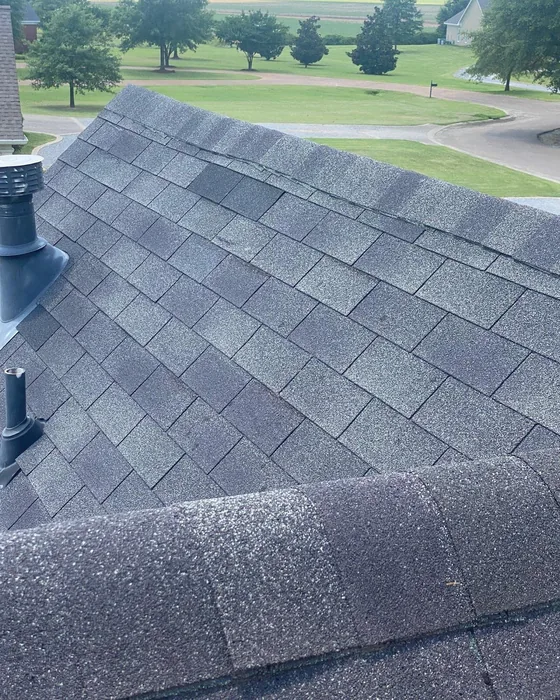
The Attic Check Most People Skip
This Old House suggests checking the attic and the ceilings first, because they show early warning signs before the outside of the roof does. Take a flashlight up on a dry day and again after a heavy rain:
- Daylight through the roof boards, especially around pipes and the chimney.
- Dark stains or damp wood on the underside of the decking or on the rafters. A stain that feels wet after rain is an active leak.
- Wet or flattened insulation on the attic floor, which usually sits under the leak.
- Blocked vents. Insulation pushed against the soffit vents or a ridge vent that you can’t see light through stops the attic from breathing.
Ventilation matters more here than people expect. A hot, poorly vented attic bakes shingles from underneath and shortens their life, and This Old House lists good attic airflow as one of the ways to make a roof last. If the attic is stifling in July, mention it at your next inspection.
Gutters and the Roof Edge
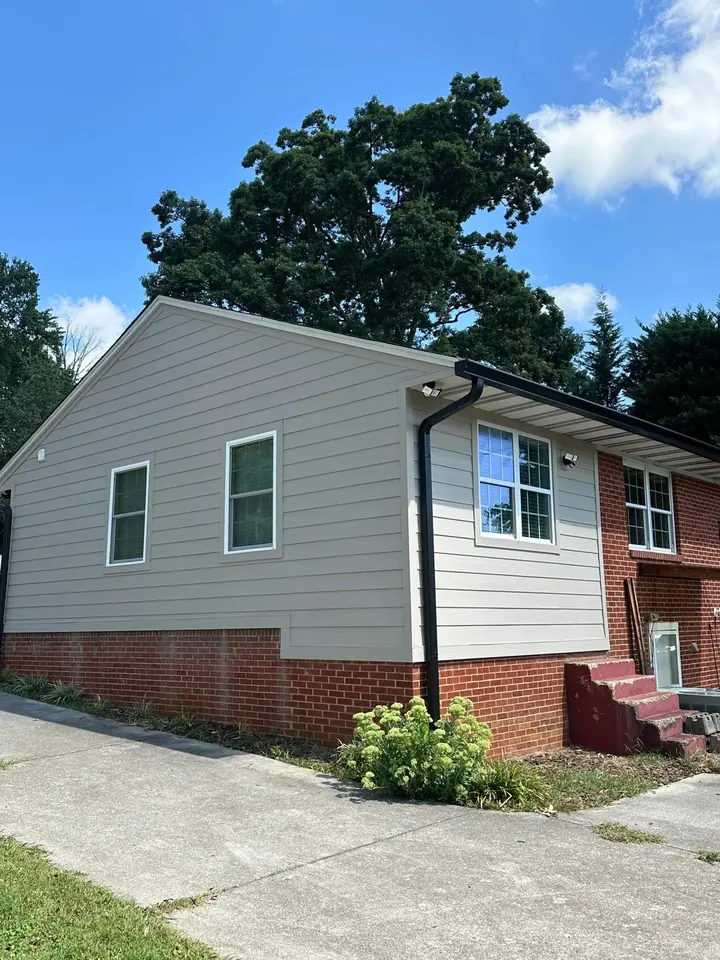
The Insurance Institute for Business & Home Safety lists gutters among the routine checks: keep them clear, and look for loose connectors and end caps, rotting fascia boards, and hangers or straps that have worked loose. Water that backs up at the eaves can rot the edge of the roof deck and the fascia board behind the gutter.
A common question is what to do about a gap between the roof and the gutter. Usually one of two things is going on. Either the gutter has pulled away from the fascia and needs to be re-hung, or the strip of metal flashing that should run from under the shingles down into the gutter is missing or too short, so water runs down behind the gutter instead of into it.
Caulk across the gap rarely holds. It is a small job for a roofer, and a cheap one compared with replacing rotted fascia.
One thing to leave off the list: pressure washing. High-pressure water strips the granules that protect asphalt shingles. If moss or algae is the problem, This Old House recommends treating it rather than blasting it off.
What to Leave to a Roofer
The second half of a roof maintenance checklist is the hands-on part, and it’s the part that keeps small problems from becoming leaks. This is what a maintenance visit from us covers:
- Debris cleared from the valleys and slopes so water runs off the way the roof was built to shed it.
- Seals checked around vents, pipes and chimneys, and resealed where they need it.
- Loose shingles and popped nails secured or replaced before wind gets under them.
- Flashing at walls and chimneys checked for gaps and rust.
- Drainage at the edge: the drip edge and whether the gutters are carrying water away.
- A straight answer on anything bigger, like bare patches, curling shingles or soft spots in the deck.
The inspection and the estimate are free. Any maintenance work is quoted in that estimate, and nothing starts without your go-ahead. For what each of those small fixes typically costs nationally, see our guide to roof maintenance cost.
A checklist is for a roof that is basically sound. If water is already coming in, start with a roof repair. If the shingles are worn thin across most of the roof, maintenance only buys a little time, and we will tell you if a replacement is the better plan.
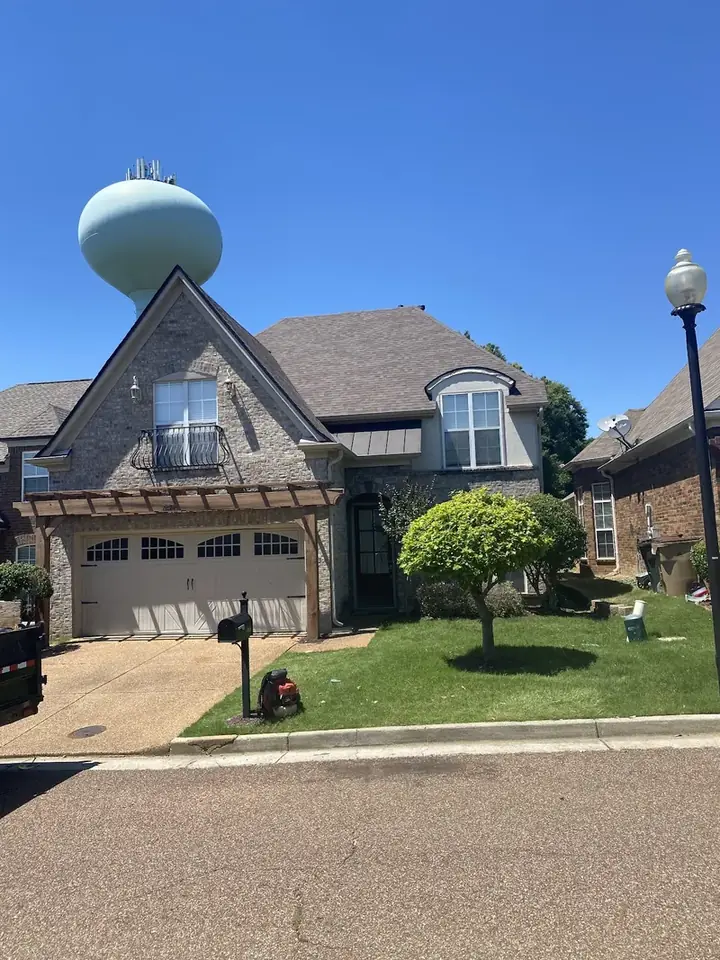
We are based in Hernando and do maintenance visits across DeSoto County and nearby, including Hernando, Southaven, Olive Branch, Horn Lake, Senatobia and over the line in Memphis. If your checklist turned up something you’d rather not climb up to, see our roof maintenance service or use the form on this page.
Roof Maintenance Questions
What kind of maintenance does a roof need?
Mostly small, regular jobs: clearing leaves and debris from the valleys and gutters, checking the seals around vent pipes and chimneys, fastening down lifted shingles, and a professional inspection at least once a year, which is what This Old House recommends. A look after any serious storm catches wind and hail damage before it turns into a leak.
How often should you maintain a roof?
Look at it from the ground each season, clean the gutters at least twice a year (every three months under heavy trees), and have a professional inspect it at least once a year. NRCA, the national roofing contractors association, suggests inspections twice a year, in spring and fall, plus after hail or high wind.
Can you do your own roof repair?
Some homeowners can, but NRCA does not recommend homeowners walk on roofs unless they have the experience and equipment to do it safely. Clearing gutters from a ladder and checking from the ground or the attic are reasonable do-it-yourself jobs. Anything that means walking the slopes, lifting shingles or resealing flashing is better left to a roofer.
Can a handyman fix a roof leak?
A handyman can patch the spot above a stain, but the water often gets in somewhere else: it runs along the underlayment and rafters before it drips, so the source can be several feet uphill at a vent pipe or valley. A patch in the wrong place leaves the real leak open. Finding the source is the part that takes a roofer.
How do I fix a gap between my roof and my gutter?
First work out why the gap is there. Often the gutter has pulled away from the fascia board and needs to be re-hung, or the metal edge flashing that should lap into the gutter is missing or too short, so water runs down behind it. Caulking the gap shut usually fails. Water behind a gutter rots the fascia and the edge of the roof deck, so have it looked at before the next heavy rain.
Is a roof inspection from Advance Roofing free?
Yes. The inspection and the estimate are free. Any maintenance work is quoted in that estimate, and nothing starts without your go-ahead.